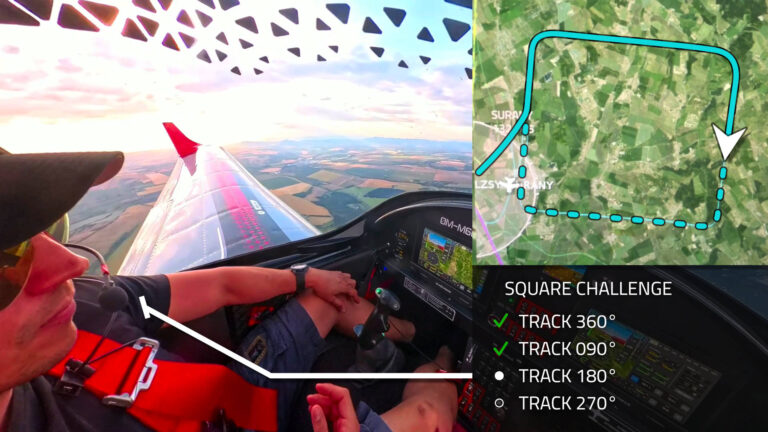
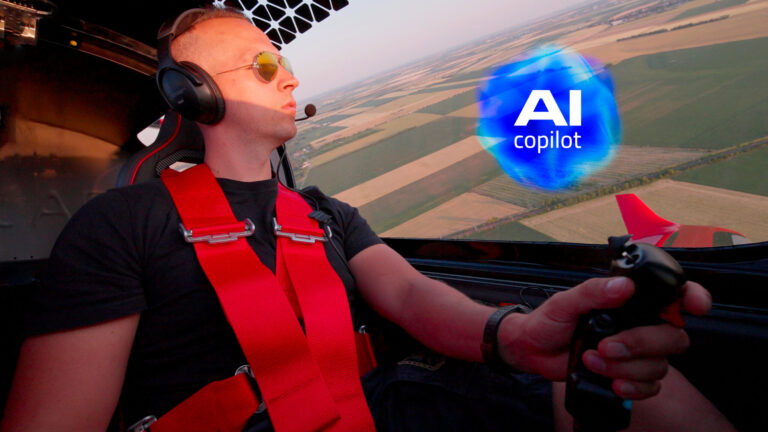
For decades, general aviation pilots have managed a cockpit filled with disconnected instruments, radios, and navigation tools. In modern aviation, voice control in the cockpit is emerging as a major shift in how pilots interact with aircraft systems. Instead of relying only on buttons, knobs, and touchscreens, pilots can now use spoken commands to manage key functions more naturally and efficiently.
This becomes especially important during turbulence, when even simple cockpit interactions can be physically difficult and mentally distracting. Reaching for a display, entering a waypoint, or adjusting autopilot settings can take attention away from flying the aircraft. In single-pilot operations, this added workload increases the risk of errors and reduces overall situational awareness.
Voice interaction changes this dynamic by allowing pilots to keep their hands on the controls and their eyes outside the cockpit while still managing essential systems. By reducing manual workload and simplifying access to critical functions, voice-enabled avionics help pilots stay focused during the most demanding phases of flight.
As cockpit technology evolves, voice control is becoming less of a convenience feature and more of a practical tool for improving safety, especially in challenging flight conditions.
Why Turbulence Makes Voice Control in the Cockpit So Important
Turbulence affects more than passenger comfort. In smaller aircraft, especially light-sport and ultralight aircraft, turbulence can make precise cockpit interaction surprisingly challenging.
Pilots often need to:
- Change radio frequencies
- Acknowledge ATC instructions
- Adjust autopilot settings
- Re-route around weather
- Zoom and pan navigation displays
- Manage checklists
Trying to do those tasks while bouncing around in the seat can increase workload dramatically. Even entering a waypoint into a touchscreen GPS during moderate turbulence can become frustrating.
The bigger issue is attention management. Every second spent looking down at a screen is a second not spent monitoring the outside environment, traffic, altitude, or aircraft attitude.
This is where voice control becomes far more than a luxury feature.
How Voice Control in the Cockpit Actually Works
Modern aviation voice systems are very different from the limited voice recognition technology pilots may remember from older consumer devices.
An AI-powered cockpit platform uses multiple layers of processing to understand pilot intent, confirm commands, and interact safely with avionics systems.
In practical terms, the process usually looks like this:
1. The Pilot Speaks Naturally
Instead of navigating menus manually, the pilot can issue commands such as:
- “Set heading to 270.”
- “Frequency: Lima Zulu India Bravo.” or “Frequency 124.300”
- “Engage autopilot altitude hold.”
The goal is to reduce manual interaction with cockpit controls during high-workload moments.
2. The System Interprets Context
Modern AI systems don’t just recognize words. They analyze context.
For example, if the aircraft is approaching controlled airspace and the pilot says “Tune tower,” the system can identify the correct nearby frequency automatically based on position and flight phase.
This reduces the number of steps required to complete routine tasks.
3. Commands Execute Without Distracting the Pilot
The system updates the avionics or autopilot settings directly, allowing the pilot to keep hands on the controls and eyes outside the cockpit.
Why Voice Control Matters Most in Single-Pilot Operations
Commercial airliners split cockpit responsibilities between two pilots. Most general aviation aircraft do not have that luxury.
Single-pilot flying means one person must manage:
- Aircraft control
- Navigation
- Communication
- Weather monitoring
- Traffic awareness
- Systems management
During turbulence or deteriorating weather, task saturation can happen quickly.
Voice-controlled avionics help reduce that workload by acting like a digital co-pilot for routine cockpit tasks.
For example, instead of reaching for multiple controls during a weather deviation, a pilot could simply say:
“Display weather ahead.”
The system can then present relevant information without forcing the pilot into additional menu navigation.
That small reduction in workload can have a meaningful impact on situational awareness.
The Link Between Workload and Pilot Error
According to an FAA report, around 80% fatal accidents in general aviation are linked to a combination of human factors. In many cases, the issue is not lack of skill. It’s overload.
High workload environments increase the chances of:
- Missing ATC instructions
- Dialing incorrect frequencies
- Entering wrong autopilot settings
- Losing situational awareness
- Delayed decision-making
Turbulence adds physical difficulty to already demanding tasks.
Voice interaction helps by simplifying cockpit management during these moments. Instead of dividing attention between flying and operating equipment, pilots can communicate with the aircraft more naturally.
That’s one reason AI-assisted avionics systems are attracting attention from both aircraft owners and flight schools.
Voice-Controlled Autopilot: A Practical Example
One of the most useful applications of cockpit voice control is autopilot management.
In traditional systems, changing autopilot modes often requires:
- Looking down at the panel
- Pressing multiple buttons
- Verifying settings on a small display
- Returning attention outside
In turbulence, those small actions can become surprisingly cumbersome.
With voice-enabled systems, a pilot can make quick adjustments verbally:
- “Climb to 4,500 feet.”
- “Set heading 275.”
- “Vertical speed 500 fpm.”
The aircraft remains under pilot authority, but the interaction becomes faster and less distracting.
For newer pilots this can also reduce stress during busy phases of flight.
The Future of Human-AI Interaction in Aviation
Voice control in aviation is still evolving, but the direction is clear.
Pilots increasingly expect cockpit technology to work more like modern smart systems — fast, intuitive, and context-aware. The difference is that aviation demands much higher reliability and safety standards.
The most promising systems are not trying to automate pilots out of the cockpit. They are designed to reduce repetitive workload so pilots can focus on higher-level decision-making.
That distinction matters.
A well-designed AI cockpit assistant should feel less like an automated replacement and more like an intelligent support system that improves awareness and reduces friction during demanding moments.
Final Thoughts
Turbulence has always increased cockpit workload, especially in light aircraft where pilots often manage everything alone. Voice-controlled avionics offer a practical way to reduce that burden by simplifying routine interactions and helping pilots stay focused on flying.
As AI-powered systems continue to mature, voice interaction will likely become a standard part of modern general aviation cockpits rather than a niche feature. For aircraft owners, builders, and flight schools, the real value isn’t convenience alone. It’s safer workload management during the moments that matter most.
Platforms like the Schochman AI Glass Cockpit reflect a human factors approach by supporting more intuitive interaction between pilots and increasingly automated systems, with the goal of improving performance without creating unnecessary complexity.