AI-Assisted
Glass Cockpit

10+ integrated features

/

DO-254 hardware, DO-178C (DAL B) software compliance

/

Over-the-air updates

/

10.1" matte touchscreen

/

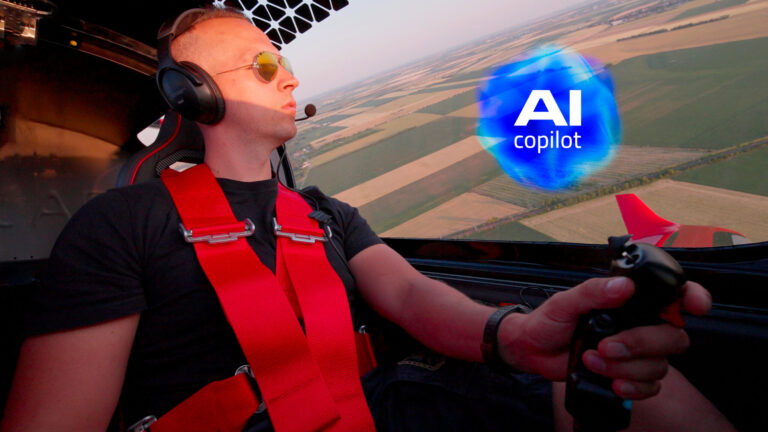
Voice-controlled cockpit

Even in strong turbulence, you can use voice to manage key functions, reducing the need to take your hands off the controls.

Adjust altitude, heading, or engage/disengage autopilot modes through natural, spoken commands, ensuring a streamlined and safe cockpit experience.

/

Proactive ATC AI Assistant​

Automatically extracts critical data such as QNH, SQUAWK codes, reporting points, etc. You don’t need to take notes manually.

It can communicate messages to ATC on your behalf. The AI assistant also displays ATC frequency, your aircraft ID, position, and clearance details automatically when entering or exiting airspace.

/

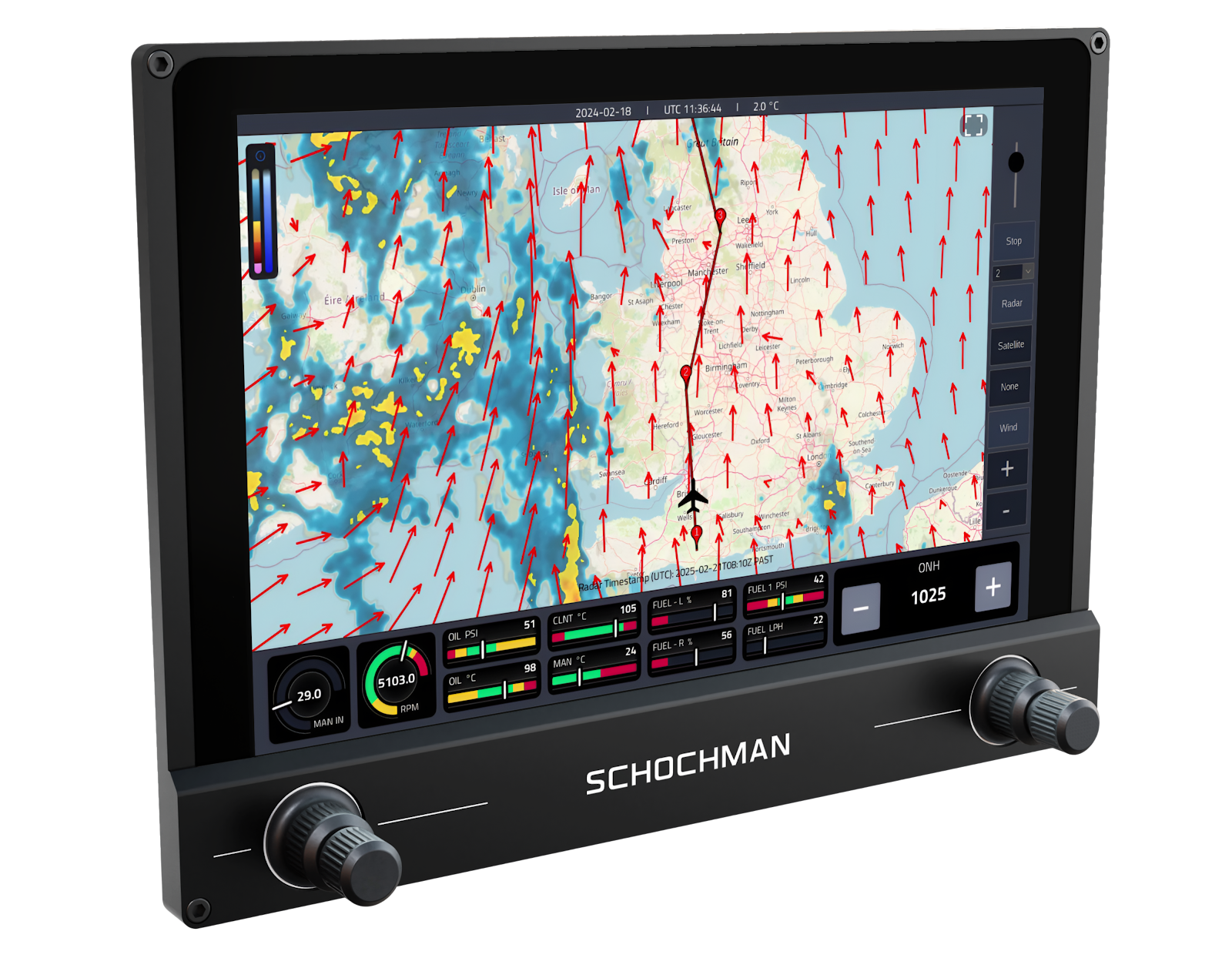
Global real-time weather & NOTAMs​

The weather change or temporary airspace restriction can occur instantly, and being caught off guard can put your flight at risk. Our glass cockpit delivers real-time weather and NOTAM, METAR, TAF updates at any altitude.

You’re never flying blind.

/

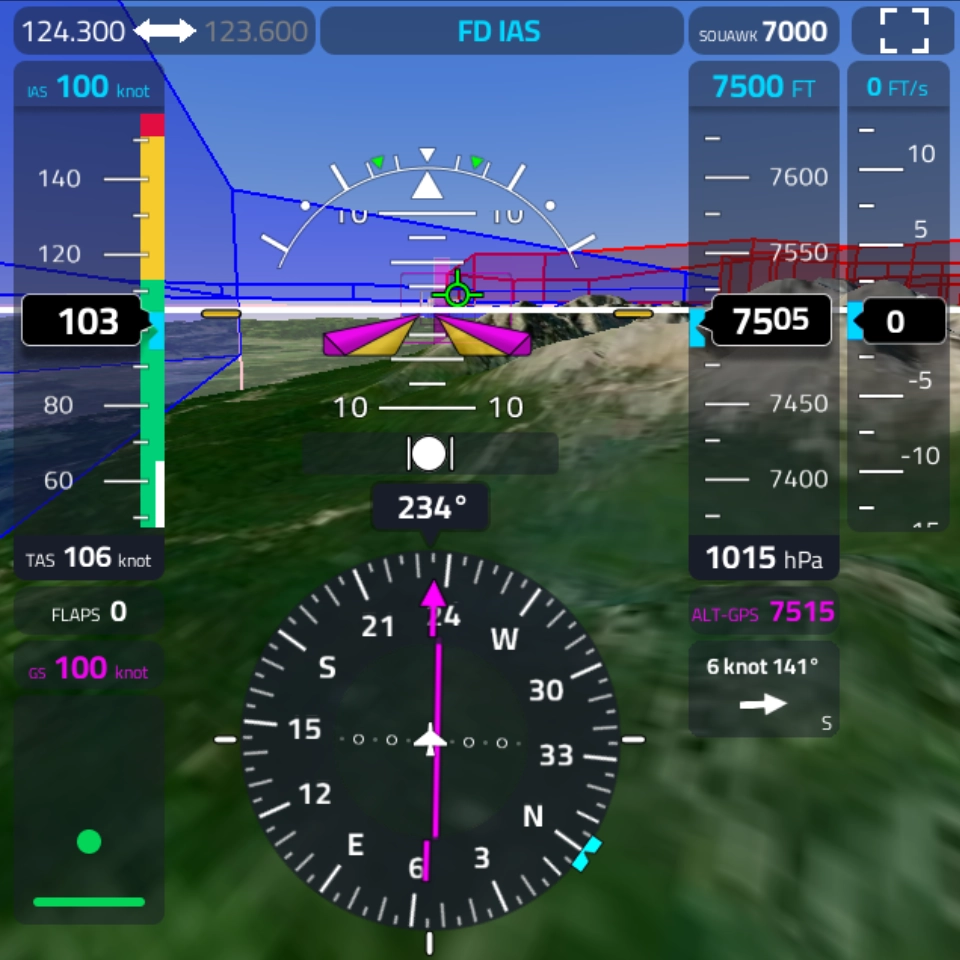
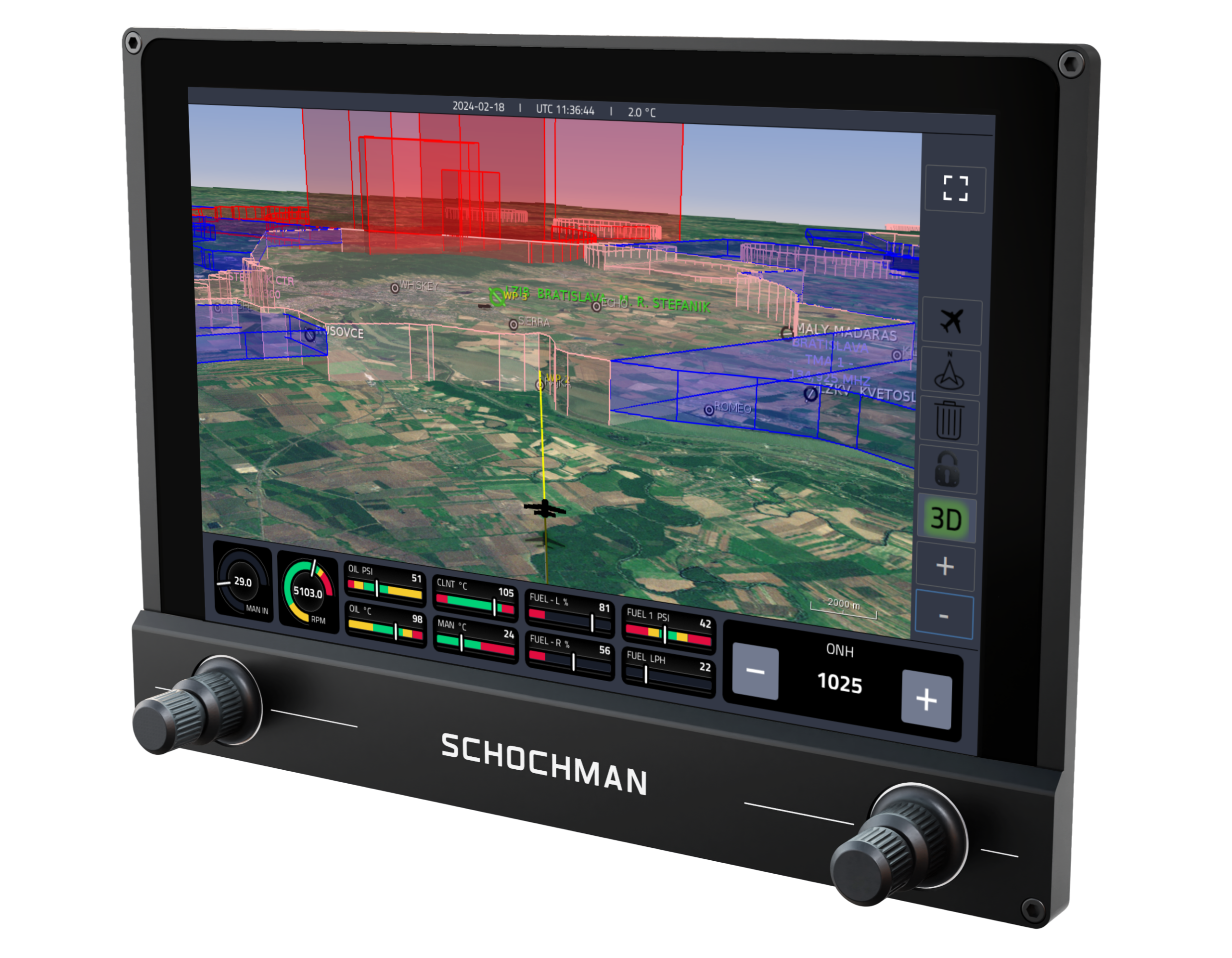
Synthetic vision with 3D airspaces​

Visualize terrain, airspaces, and angle of attack in PFD for better situational awareness. Easily identify terrain, restricted areas, corridors, and flight paths in 3D.
/

TAWS

Terrain Awareness & Warning System provides you with a real-time terrain and obstacle map, vertical profile view. Visual, audio warnings help avoid controlled flight into terrain (CFIT).
/

ADS-B In traffic map

Real-time locations of nearby aircraft with visual & audio alerts helping to avoid collisions. Tap on an aircraft icon to get call sign, speed, altitude, etc.
/

Autopilot

Set and maintain altitude, heading, and navigation with a tap or voice. Fully integrated 4-axis autopilot with “Wings Level” for instant spatial disorientation recovery.
/

Engine monitoring system

Stay on top of engine performance with real-time data + optional FADEC CAN bus compatibility for advanced engine monitoring.
/

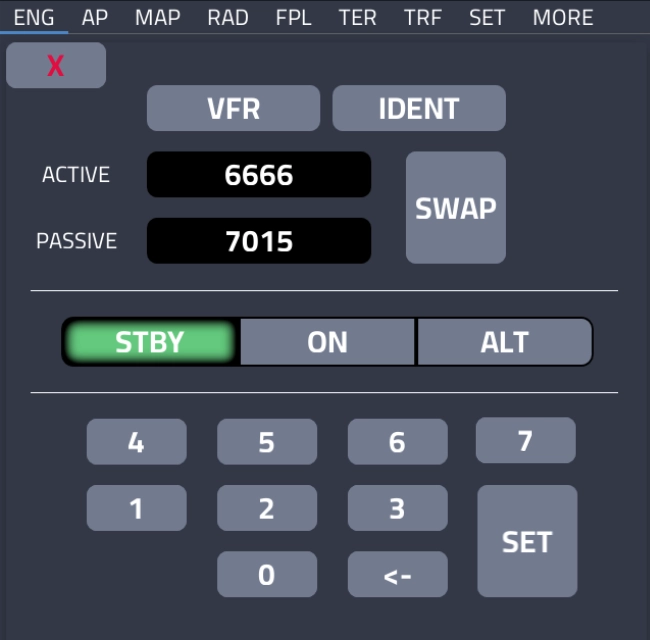
Radio & XPDR control

Instant radio & transponder code entry and mode switching. Set codes in seconds: also by using your voice or ATC.
/

Interactive checklists​

Digitized procedures for every phase of flight. Step-by-step prompts ensure nothing is overlooked.
/

Emergency

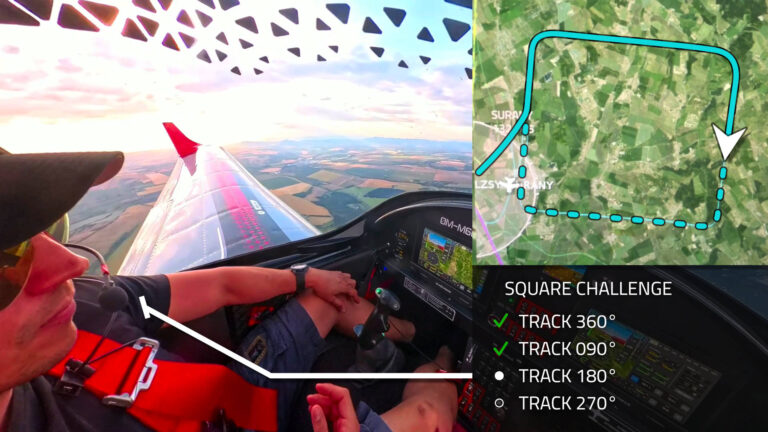
Voice command “Emergency” surfaces critical info such as emergency squawk codes, the nearest suitable airport, or activate automatic leveling if spatial disorientation occurs.

Flying through unknown airspaces has never been safer and easier

Experience firsthand how AI-driven avionics can elevate your flying.
Contact us for an exclusive demonstration flight at  LZIB (Bratislava), LZDV (Dubová), or other places upon agreement.

Features comparison

AI-Assisted Glass Cockpit by SCHOCHMAN

Conventional Glass Cockpit

HOTAS and Voice Control

  • Hands On Throttle And Stick interface + voice commands allow easy operation even in heavy turbulence.
  • Minimizes cockpit distractions and keeps eyes on the sky.
  • AI-driven autopilot adjustments via voice.
  • Often limited to physical knobs and touchscreen controls.
  • No voice interface, requiring more manual interaction.

AI Enhanced ATC Transcription

  • Speech-to-Text automatically transcribes and highlights crucial info such as QNH, SQUAWK codes, and reporting points.
  • Reduces pilot workload and eliminates note-taking errors.
  • Voice intelligence filters out background noise for clear commands.
  • Manual note-taking is standard; increased chance of missing or mishearing critical instructions
  • No automated data extraction, leading to a higher pilot workload.

Real-time Weather ​

  • Satellite connection provides continuous weather updates at any altitude, beyond GSM coverage.
  • No heavy, expensive on-board radar required.
  • Life-saving alerts on storms, icing, and turbulence in real time.
  • Dependent on ground-based or on-board radar for weather data.
  • Often costly and adds weight to the aircraft.
  • Updates can be delayed, especially at higher altitudes.

3D Airspace & Terrain Maps

  • Three-Dimensional Airspace Visualization improves situational awareness.
  • Synthetic vision with terrain and obstacle overlays for enhanced safety.
  • Automatic collision avoidance alerts based on real-time data.
  • Typically limited to 2D maps or basic EFIS displays.
  • Synthetic vision is not standard or may be anexpensive add-on.

Ease of Use & Reduced Workload

  • Intuitive, pilot-focused UX consolidates essential flight data on a single screen with a short learning curve.
  • Interactive checklists and AI prompts ensure critical steps aren’t missed.
  • Steep learning curves with multiple submenus or separate systems.
  • Limited guidance during emergencies or high-stress conditions.

Future-Proofing & Proactiveness

  • Over-the-air (OTA) updates bring new features, improve performance.
  • Predictive analytics for early detection of mechanical issues, flight path adjustments, and weather phenomena.
  • Static functionality with fewer updates; hardware upgrades are often required to add new features.
  • Lack of AI-based predictive analytics.

With all features integrated into our glass cockpit, there is no need for external devices, apps.

Schochman ecosystem

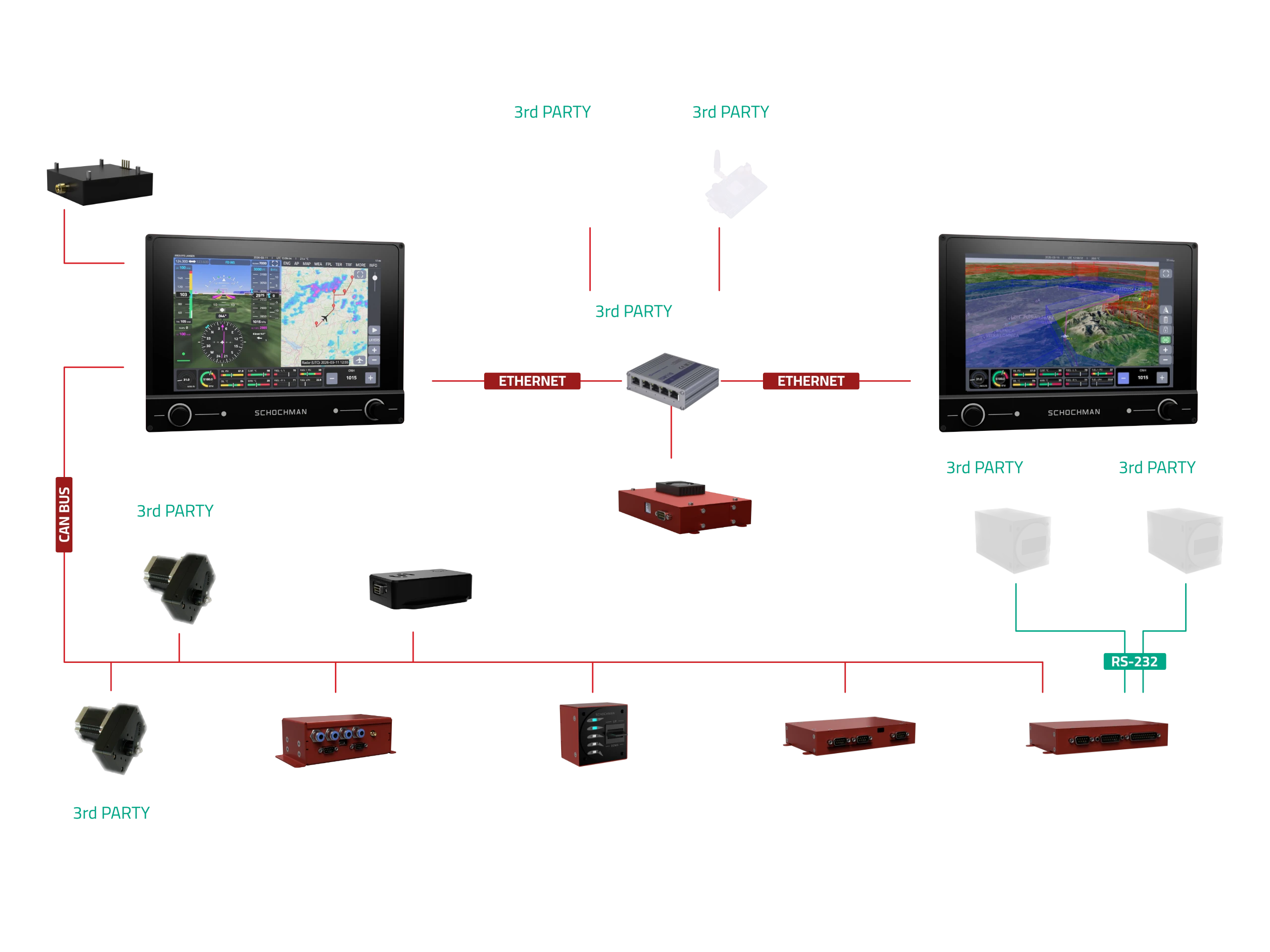
We are developing an entire ecosystem (hardware, software) for our glass cockpit in-house: our own EMS, AHRS, DATAHUB modules, etc.
A dedicated team is available to assist you with installation, training, troubleshooting, and maintenance.

Compliance & certification

Experimental

The Schochman AI Glass Cockpit is being developed to meet DO-178C (DAL B)* and DO-254** standards, the aviation industry’s most rigorous requirements for safety-critical avionics. Our development includes robust error handling, redundancy, and extensive verification to ensure reliability in critical flight conditions.
* Software Considerations in Airborne Systems and Equipment Certification
** Design Assurance Guidance for Airborne Electronic Hardware
We’re aligning with both FAA and EASA regulatory frameworks to meet international aviation standards. While certification is an ongoing process, safety and compliance are built into every aspect of our system from day one.

Frequently asked questions

ATC transmissions appear as real-time text on your screen—no writing down clearances, squawk codes, or frequencies while flying.

AI Data Extraction
The system highlights altitudes, frequencies, waypoints, etc., and approach clearances automatically. Critical info stands out; you don’t hunt for it.

Reduces Errors
Background noise, overlapping transmissions, and accents cause mishearings. Text eliminates guesswork—you read exactly what was said.

High-Workload Situations
During approach or in busy airspace, reference past instructions on-screen instead of asking ATC to repeat. In emergencies, read instructions instantly rather than processing garbled audio.

System Integration (In Development)
Extracted data flows directly to avionics—squawk codes to the transponder, frequencies to the COM radio. One transmission, zero manual entry.
By using satellite connectivity instead of ground-based GSM networks, you receive live METARs, radar imagery, turbulence reports, AI-processed alerts for icing, windshear, storm cells, etc. —over oceans, mountains, at any altitude.

→ Starlink for high-speed data transmission
→ Iridium for global coverage backup (In Development)

All three. Choose the input method that works best for current conditions.

Touchscreen
High-resolution display for flight data, checklists, and settings. Works with gloves.

Physical Controls
Dedicated buttons and rotary knobs for precise input during turbulence. HOTAS-compatible for critical functions without releasing stick or throttle.

Voice Commands
Hands-free control of autopilot settings, radio frequencies, squawk codes, navigation inputs, and weather requests. AI filters cockpit noise for accurate recognition.

Why Multiple Methods
Smooth air? Use touchscreen. Turbulence? Physical knobs. Hands full during approach? Voice commands. System adapts to workload, not the other way around.

SCHOCHMAN is currently an experimental aircraft system, which doesn’t require DO-178C or DO-254 certification. However, we’re building toward these standards for future certified aircraft applications.

Software (DO-178C Foundation)
Following structured development practices including requirements traceability, verification & validation testing, and independent code reviews—aligned with DAL B safety levels.

Hardware (DO-254 Principles)
Designing for component reliability, redundancy planning, and failure mode analysis that meet airborne system standards.

Flight Testing
Real-world validation in experimental aircraft under varying environmental conditions, high-vibration environments, and fail-safe scenarios.

Documentation
Maintaining compliance-ready documentation, safety assessments, and test reports to streamline future certification pathways.

Schochman avionics is engineered for experimental aircraft now: the category that enables the fastest innovation in aviation.

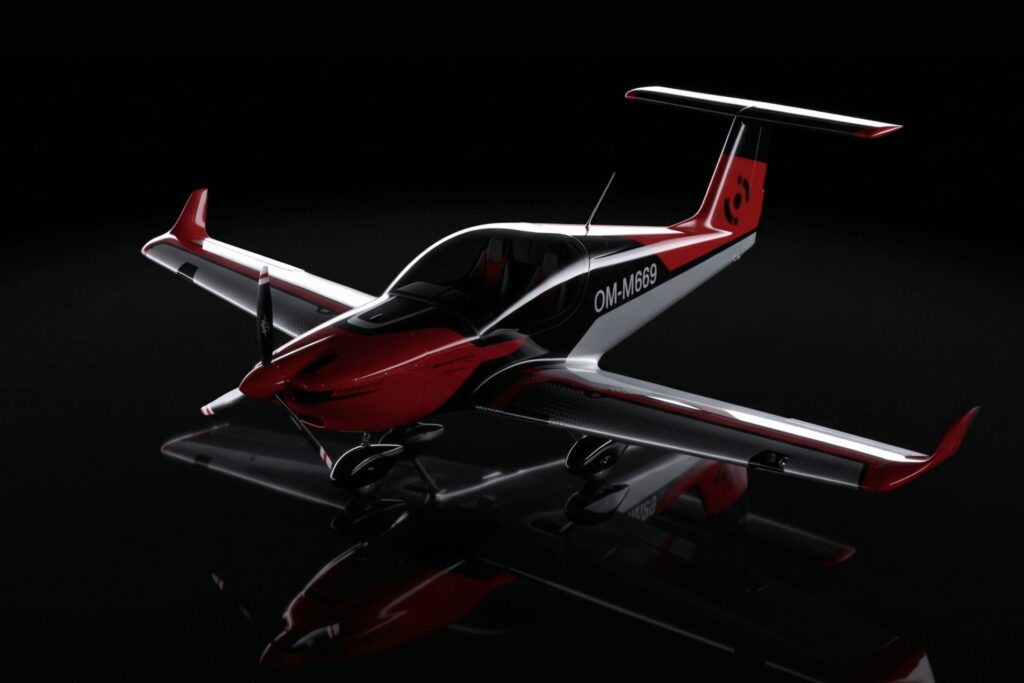
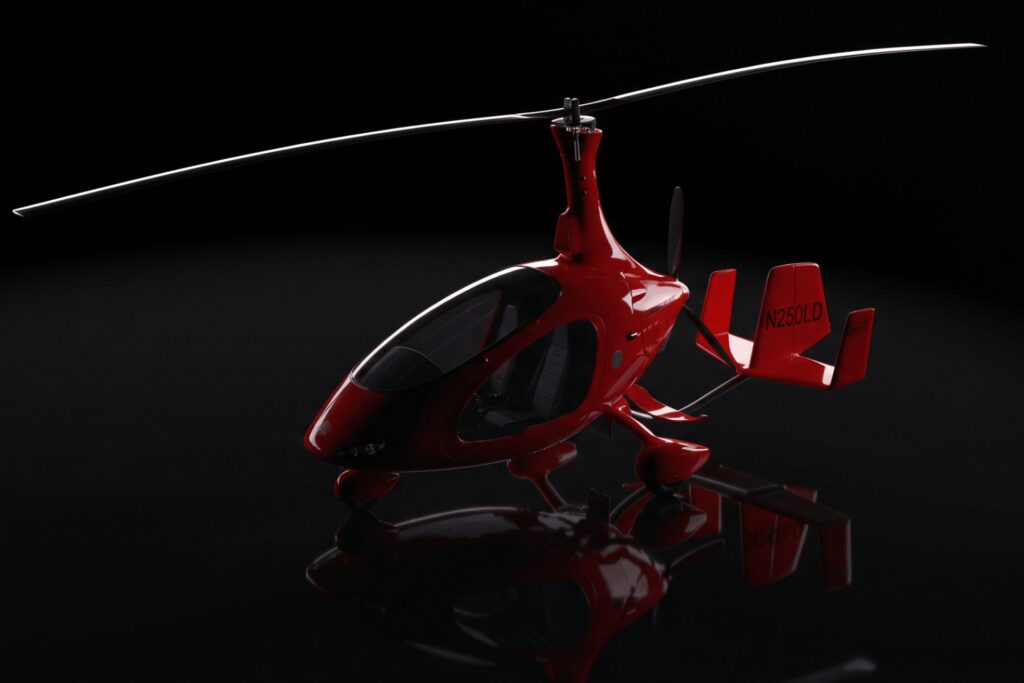
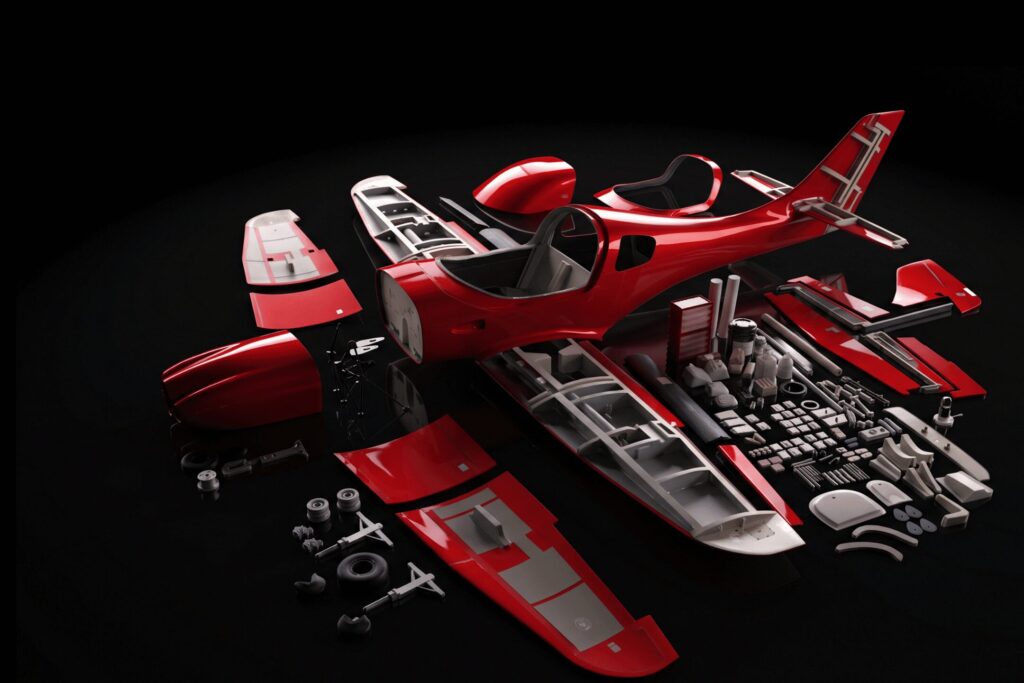
This includes kit planes, homebuilts, prototypes, and developmental aircraft across all configurations: fixed-wing, rotorcraft (helicopter, gyroplane), and e-VTOL.

Yes. The system updates wirelessly via Wi-Fi or satellite connection without hardware replacement or avionics shop visits. 

New Features
AI capabilities, navigation tools, weather models, and ATC speech recognition improvements delivered as they’re developed.

Performance & Security
Algorithm refinements, security patches, and compliance updates for evolving airspace requirements.

Installation
Updates download in the background. You choose when to install—no forced downtime during flying.

Legacy Engines
Compatible with analog/resistive sensors: RPM, oil pressure/temperature, fuel flow, CHT/EGT, manifold pressure, and 400-ohm fuel level senders. Customizable sensor inputs for existing engine instruments.

FADEC & CAN Bus
Integrates directly with FADEC systems via CAN bus for real-time fuel injection rates, ignition timing, and power output displayed on EFIS.

AI Monitoring Features
Trend analysis flags developing issues before failure. Color-coded alerts prioritize abnormal conditions. Predictive maintenance suggestions based on parameter patterns.

Display
All engine data on primary flight display with intuitive layout—no separate engine monitor required.

The system is designed to be user-friendly, and most pilots adapt quickly to the intuitive layout and features. If you get lost, you can reach out to detailed training materials or our support.

You can experience a live demo of the AI Glass Cockpit at our designated demonstration locations:

→ LZIB – Bratislava Airport (M. R. Štefánik Airport, Slovakia).
→ LZDV – Dubová Airport, Slovakia,

→ or other places upon agreement.


Contact us via chat located at the bottom-right.

One intelligent system, any GA aircraft. Be among the first.

Partner

From technology providers, aircraft builders, to installation shops we offer lucrative opportunities for growth and collaboration.

Invest

We welcome investors aligned with long-term sustainability and innovation to boost our global expansion.